
(Prefer videos? Watch a brief summary of this article below.)
A truck is waiting at the gate. Another is parked in the wrong bay. A driver is calling dispatch. The warehouse team is ready, but the trailer is missing. This is where logistics margins quietly disappear. Yard management software turns the busy space between road, gate, dock, and warehouse into a controlled operating zone.
YMS Benefits at a Glance
- Better visibility: See trucks, trailers, docks, and next actions in real time.
- Faster flow: Reduce manual check-in, phone calls, and avoidable truck turnaround time.
- Smarter docks: Use dock scheduling software to match arrivals with real capacity.
- Lower costs: Cut detention and demurrage risk through better planning.
- Stronger control: Improve safety, access, visitor registration, and audit trails.
What Is Yard Management Software?
Before the benefits become clear, it helps to define the site perimeter as an operational layer. It is not just parking. It is the live connection between transport, warehousing, production, and security.
Definition in logistics and supply chain operations
Yard management software is a digital tool for planning, tracking, and controlling vehicles, trailers, containers, docks, and gate activity on site. It supports warehouse yard operations from appointment booking to departure.
The International Transport Forum’s 2025 transport statistics show how central freight remains to modern economies. That pressure lands directly at logistics sites, where every late truck affects the next move.
The role of yard software in warehouse sites
A yard management system replaces fragmented routines with one shared view. Instead of radios, spreadsheets, paper passes, and guesswork, teams use structured workflows.
For example, a retail distribution center can pre-book arrivals, identify peak slots, and direct drivers before the site becomes congested.
How yard management software supports operational flow
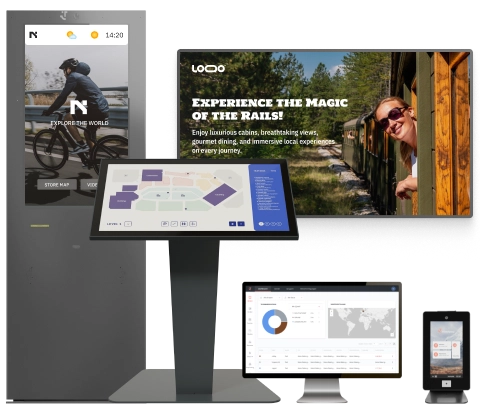
Modern YMS software supports gate management, dock scheduling, real-time coordination, trailer tracking, driver instructions, and reporting. friendlyway’s yard management software is built around this connected flow, from booking to departure, including digital arrivals, live yard visibility, and smart coordination.
Why Businesses Invest in Yard Management Software
The area outside the warehouse was once treated as a buffer. Today, it is a lever of performance. When inbound and outbound flows tighten, small delays quickly spread across the network.
Increasing complexity of logistics networks
Global supply chains now run across more carriers, partners, customs zones, and fulfillment models. One warehouse may serve stores, e-commerce orders, production lines, and returns simultaneously.
Without yard logistics software, teams often manage complexity by adding calls and manual checks. That rarely scales.
Growing pressure to improve yard efficiency
A manufacturing plant waiting for components cannot afford a search for a trailer. A 3PL handling multiple clients cannot let one delayed carrier block dock capacity.
Yard operations software helps sites plan work before vehicles arrive and adjust faster when exceptions happen.
The need for real-time operational visibility
Gartner identified connectivity and intelligence as key supply chain technology themes, including real-time visibility through tracking and sensing technologies. Yard visibility fits this shift: leaders want fewer blind spots and faster decisions.
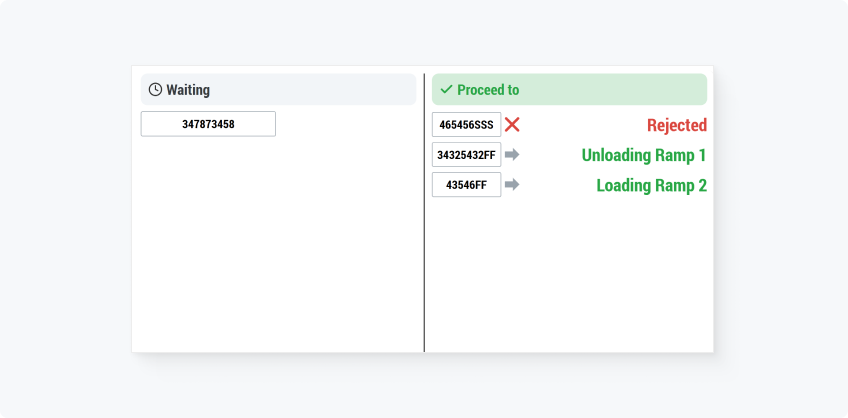
A truck waiting list display can be configured on the friendlyway Cloud Platform
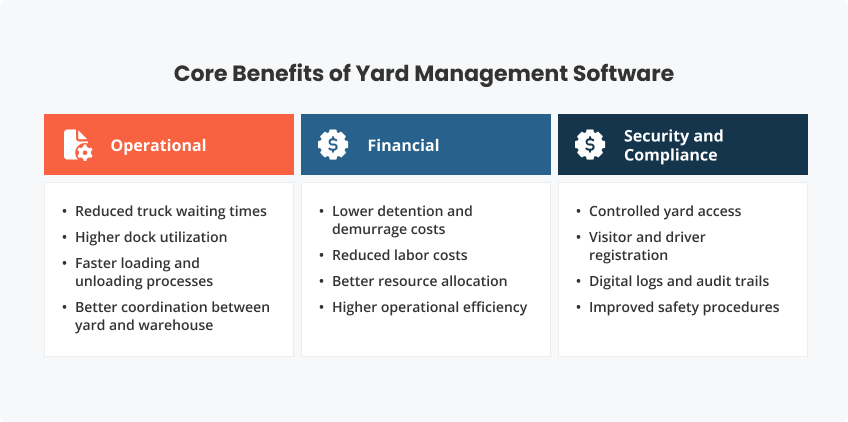
Core Benefits of Yard Management Software
The benefits of yard management software are practical. They show up in queues, calls, dwell time, dock usage, and fewer “Where is that trailer?” moments.
Real-time yard visibility
Teams can see what is on site, where assets are, which trucks are waiting, and which docks are active. This improves supply chain visibility at the operational edge.
Faster truck check-in and check-out
Digital gate workflows shorten the first step. With friendlyway, drivers can use QR codes, PINs, license plate recognition, multilingual instructions, and automated checks to move through the gate more efficiently.
Improved dock door scheduling
Dock door management becomes easier when appointments match true capacity. Teams can sequence loads, prevent overbooking, and prioritize urgent shipments.
Reduced yard congestion
When arrivals are planned and parking is controlled, yard congestion drops. Drivers know where to go. Local staff stop acting as traffic controllers.
Better trailer and asset tracking
Trailer tracking reduces search time and missed loading windows. In a busy cold-chain site, for instance, knowing exactly where a temperature-sensitive trailer is parked can protect both service levels and product quality.
More accurate yard data
Manual logs age badly. Digital records capture arrival, service, dwell, and departure data. That gives managers facts, not anecdotes.
See how friendlyway connects gate, dock, driver, and logistics workflows in one practical solution.
Operational Benefits for Warehouses and Distribution Centers
A better external logistics area changes the rhythm inside the building. Warehouse teams stop reacting to surprises and start working from a clearer plan.
Reduced truck waiting times
Pre-registration, carrier scheduling, and faster gate processing help cut idle time. Drivers spend less time in queues and more time moving freight.
Higher dock utilization
Dock utilization improves when doors are assigned with context. A full dock is not always an efficient dock. The right trailer needs the right door at the right time.
Faster loading and unloading processes
Loading teams can prepare labor, equipment, documents, and staging areas before a truck arrives. That reduces gaps between “arrived” and “being served.”
Better coordination between yard and warehouse teams
A warehouse supervisor can see what is coming next, and security can control entry. Transport planners can update carriers. Everyone works from the same operational picture.
Financial Benefits of Implementing Yard Management Software
Yard improvements are not only about speed. They affect hard costs, labor use, penalties, and asset productivity.
Lower detention and demurrage costs
When trucks wait too long, or containers sit too long, costs rise. A yard management system helps reduce detention and demurrage by tightening scheduling, monitoring dwell time, and handling exceptions.
Reduced labor costs
Manual checks consume time. So do repeated calls, paper sign-ins, and physical trailer searches. Automation lets teams focus on exceptions rather than routine administration.
Better resource allocation
Managers can assign guards, shunters, dock teams, and forklifts based on real demand. That reduces overtime and prevents underused capacity.
Higher operational efficiency
Efficiency comes from fewer delays across the whole chain. One global e-commerce site, for example, might use dwell data to identify that Tuesday afternoon peaks require different slot rules, not more labor.
Security and Compliance Advantages
A logistics site is also a controlled access area. Drivers, visitors, contractors, and service providers all need clear rules.
Controlled yard access
Access control can be linked to appointment status, ID checks, gates, barriers, and license plate recognition. friendlyway integrations support systems such as parking gates, barriers, smart locks, and license plate recognition for secure entry workflows.
Visitor and driver registration
Driver and visitor registration should be fast, but not loose. Digital check-in can capture identity, purpose, company, safety acknowledgements, and host notifications.
For broader site access needs, friendlyway’s visitor management system supports self-service kiosks, registration, digital documents, and badge printing.
Digital logs and audit trails
Digital logs support audits after incidents, disputes, or compliance checks. They show who entered, when, why, and what process was followed.
Improved safety procedures
Safety instructions can be shown before entry. A chemical plant, for example, can require drivers to confirm PPE rules and emergency routes before the barrier opens.
Integration with Other Logistics Systems
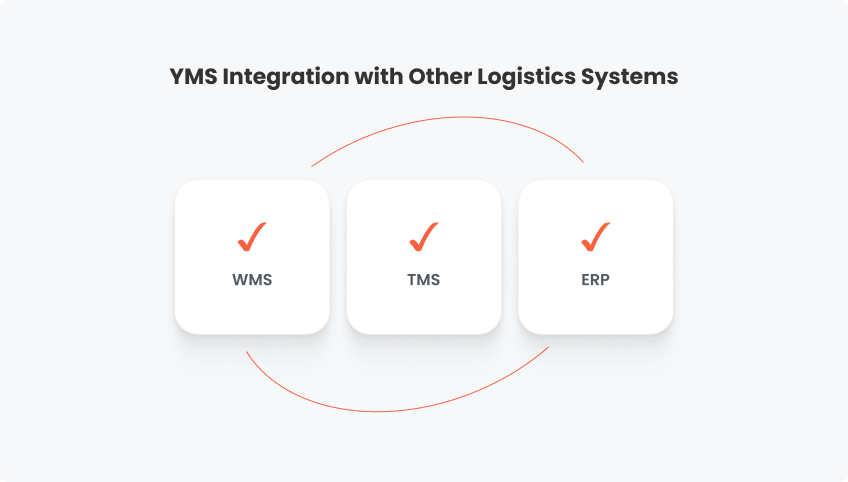
Yard software creates the most value when it connects with the wider stack. The loading area should not become another silo.
Integration with warehouse management systems (WMS)
A WMS knows what must be received, picked, staged, or shipped. A YMS knows what is arriving and where it is. Together, they align the flow of goods with physical movement.
Integration with transportation management systems (TMS)
A TMS handles transport planning and carrier activity. Integration helps appointment times, carrier updates, and arrival status move without manual re-entry.
Integration with ERP platforms
ERP connections support purchase orders, shipments, production needs, and billing. Logistics events can be streamed to business systems and synchronized with ERP environments to track incoming and outgoing goods.
Data synchronization across logistics operations
Synchronized data prevents contradictions. The gate, dock, warehouse, and transport office should not each hold a different version of reality.
Who Benefits Most from Yard Management Software?
Yard management software is useful wherever many vehicles, assets, and appointments exist in a limited space.
Distribution centers
Distribution centers gain better throughput, appointment discipline, and trailer visibility. This matters most during seasonal peaks.
Manufacturing facilities
Manufacturers use site control to protect production continuity. A delayed inbound trailer can stop a line. A delayed outbound truck can block the delivery of finished goods.
Retail and e-commerce warehouses
Retail and e-commerce sites need speed and flexibility. Better carrier scheduling helps manage returns, parcel flows, store replenishment, and flash promotions.
Third-party logistics providers (3PL)
3PLs benefit from standard workflows across customers and sites. They can offer better reporting, clearer service levels, and stronger transparency.
Key KPIs Improved by Yard Management Software
The best projects start with measurable pain. Pick the KPIs that matter, then track improvement.
Truck turnaround time
Measure arrival to departure. Shorter truck turnaround time means less waiting and a better carrier experience.
Dock utilization rate
Track how often docks are productively used. The aim is not maximum occupancy. It is a smooth, predictable flow.
Yard dwell time
Dwell time shows how long trailers or containers remain on site. High dwell often reveals planning issues, labor shortages, or poor trailer tracking.
Gate processing time
Gate processing time shows how quickly drivers move through entry and exit. This KPI improves when check-in, ID checks, instructions, and access approval are digitized.
Combine yard management software, self-service kiosks, access workflows, and integrations for smoother logistics operations.
Yard management software brings order to one of logistics’ most underestimated spaces. It improves visibility, speed, compliance, cost control, and daily confidence. For businesses, the site perimeter is no longer a waiting area. It is a place to win back time.
FAQ
It gives teams a live view of trucks, trailers, docks, waiting areas, and next actions. This reduces manual searching and improves real-time logistics tracking.
Yes. It can reduce detention and demurrage risk by improving appointment planning, dock scheduling, gate speed, and dwell time monitoring.
Yes. Smaller warehouses can start with core features such as digital check-in, dock booking, visitor registration, and simple visibility.
It depends on site complexity, integrations, hardware, and process design. A single-site rollout is usually simpler than a multi-country enterprise deployment.
Yes. Modern yard management systems can integrate with WMS, TMS, ERP, access control, identity systems, and reporting platforms.