
(Prefer videos? Watch a brief summary of this article below.)
The gate is the yard’s moment of truth. Every plan, appointment, safety rule, dock promise, and carrier instruction has to pass through one narrow lane. When that lane depends on paper, phone calls, and tired people repeating shipment numbers through a window, the site starts the day already behind.
At a Glance
- First contact matters: The gate sets the pace for every truck that follows.
- Automation removes friction: Drivers check in faster, and staff focus on exceptions.
- Visibility starts outside the fence: A vehicle should be known before it enters.
- Security becomes consistent: Access decisions follow rules, not memory.
- Integration creates value: A gate management system works best when connected to yard, dock, warehouse, and access workflows.
Why Gate Operations Are a Critical Weak Point in Logistics Facilities
A logistics gate looks simple from the road. Inside the operation, it is anything but simple.
Truck queues and delays at entry points
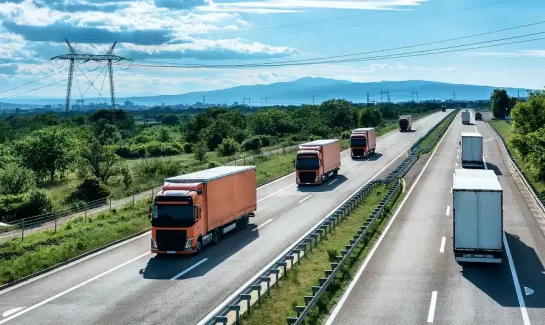
A few slow arrivals can bend the whole shift. One driver cannot find the reference. Another arrives early. A third needs a safety briefing. Soon, the queue reaches the public road.
Manual check-in and paper-based processes
Manual registration often feels harmless because each task is small. Ask for an ID. Write down a plate. Call the warehouse. Stamp a document.
But these fragments stack up. At a frozen food distribution center, three extra minutes per truck can mean warm engines idling, tighter dock windows, and drivers calling dispatch before they even enter the yard.
Lack of control and visibility at the gate
Without logistics gate control, the site sees vehicles too late. Security knows who crossed the barrier. The warehouse knows who has an appointment. The yard team knows which lanes are blocked.
The problem is that these are often three different pictures.
What Are Automated Gate Systems?
Before looking at cameras or kiosks, it helps to define the job clearly.
Definition in logistics and yard operations
Automated gate systems are digital workflows that manage truck arrivals, identity checks, access approval, routing, and entry records.
In automated gate systems for logistics facilities, the goal is not only to open a barrier. The goal is to decide who should enter, when, and where they should go.
From manual gate handling to automated access
Old gate handling asks, “Who are you?” every time. Modern gate check-in automation in logistics asks, “Do we already know you, and does your arrival match the plan?”
That shift changes the mood at the gate. The guard is no longer a human search engine. The driver is no longer a messenger between systems.
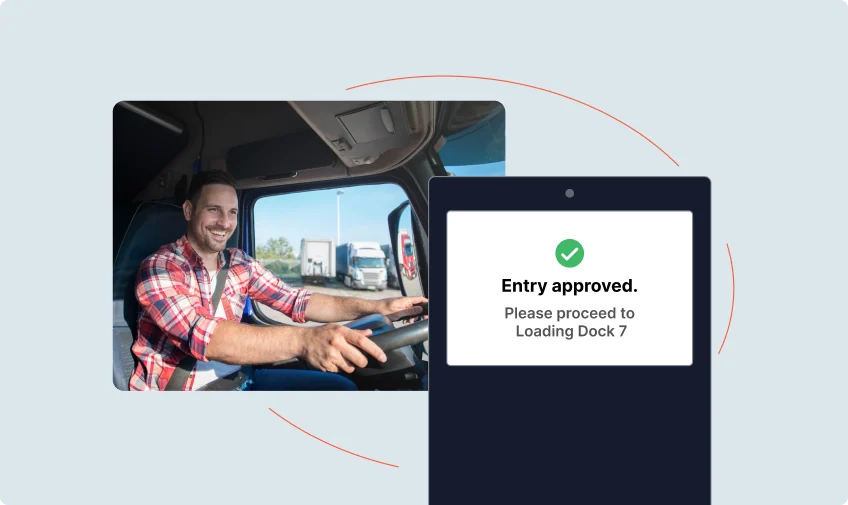
What Happens at a Logistics Gate Without Automation
The trouble is rarely one big failure. It is usually a series of small handoffs.
Arrival and manual registration
A driver parks at the window and hands over papers. The guard types a name, checks a list, and calls someone inside.
If the appointment is missing, the truck waits. If the shipment number is wrong, the truck waits longer.
Waiting for instructions and dock assignment
The driver may be told to “pull ahead and wait.” That sounds easy until four other trucks receive the same instruction.
A beverage manufacturer, for example, may need to separate empty pallets, inbound cans, packaging materials, and outbound finished goods. Verbal routing is risky during peak traffic.
Miscommunication between the gate and yard teams
Gate staff may approve entry while yard staff is still clearing a lane. A dock supervisor may expect the carrier at door 12, while the driver was told to go to door 8.
This is where yard visibility becomes practical, not theoretical. Everyone needs the same real-time status.
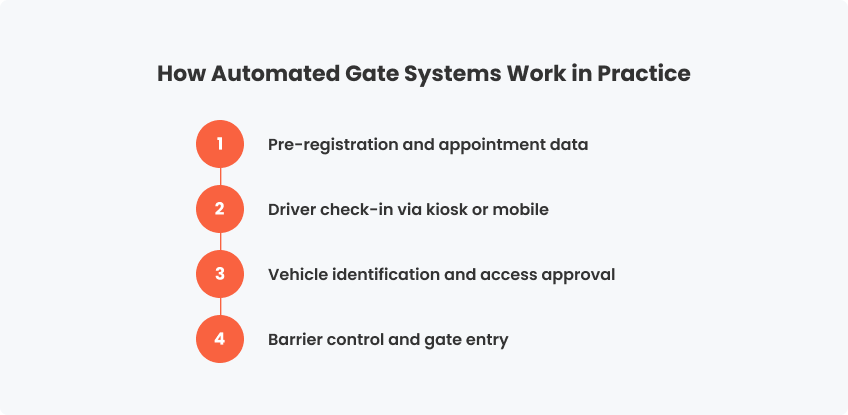
How Automated Gate Systems Work in Practice
A strong flow begins before the truck reaches the fence.
1. Pre-registration and appointment data
Carriers submit arrival data in advance. That may include driver name, mobile number, license plate, trailer number, load ID, and appointment slot.
The system checks this against rules. Is the carrier expected? Is the slot valid? Does the vehicle need special handling?
2. Driver check-in via kiosk or mobile
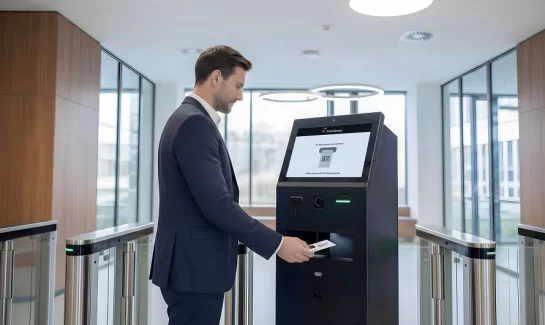
Upon arrival, the driver checks in using a QR code at a kiosk or via a mobile form. A multilingual self-service flow can show safety instructions, collect confirmations, and issue the next step.
For sites that want controlled self-service at the perimeter, friendlyway kiosks can support digital check-in journeys and on-site guidance.
3. Vehicle identification and access approval
License plate recognition in logistics can compare the plate with appointment data. If everything matches, approval is automatic. If not, the system can alert security or the transport office.
This keeps exceptions visible instead of buried in radio chatter.
4. Barrier control and gate entry
Once approved, the barrier opens. The driver receives a dock, staging lane, or waiting instruction.
| Gate moment | Manual pattern | Automated pattern |
|---|---|---|
| Identification | Ask and type | Plate, QR, or code |
| Verification | Phone call | Rule-based match |
| Safety step | Paper handout | Digital instruction |
| Routing | Spoken direction | Screen, SMS, or printout |
| Record | Clipboard | Searchable log |
Core Technologies Used in Gate Automation
Most successful projects combine several tools into one clean process.
License plate recognition (ANPR)
ANPR reads vehicle plates and supports fast truck entry management. It is especially useful for repeat carriers, shuttle traffic, and high-volume lanes.
Self-service check-in terminals
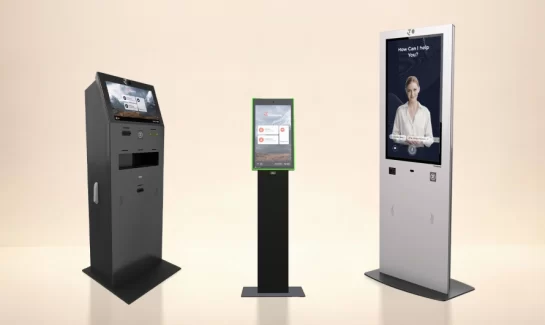
Kiosks reduce pressure on gate staff. They can capture data, display instructions, scan QR codes, print badges, or connect drivers with remote help.
Access control systems and barriers
Access control in logistics should answer one question with confidence: May this vehicle enter now?
The answer may depend on appointment status, carrier approval, safety completion, site capacity, or watchlist rules.
Integration with yard and warehouse systems
Dock scheduling integration is where the gate becomes operationally powerful. The arrival event can update a YMS, notify the dock team, and trigger the next yard task.
Create a smoother arrival flow by integrating check-in, identity, access, and driver guidance.
What Improves After Gate Automation
The first sign of success is often quiet. Fewer calls. Fewer horns. Fewer “Where is this driver?” messages.
Faster truck processing
Truck gate automation removes repeated typing and manual searching. Known carriers can move through quickly. Unknown or incorrect arrivals are routed to exception handling.
Reduced congestion at entry points
Congestion outside the facility already costs carriers time. ATRI’s 2026 truck bottleneck work tracks congestion across more than 325 freight-heavy highway locations, showing how much delay freight vehicles face before they even reach a site.
A facility should not become the next bottleneck after the highway.
Better coordination with yard operations
When the gate event is digital, the yard can react earlier. A yard marshal sees the inbound truck before it appears at the dock. A supervisor can rebalance staging lanes before a queue forms.
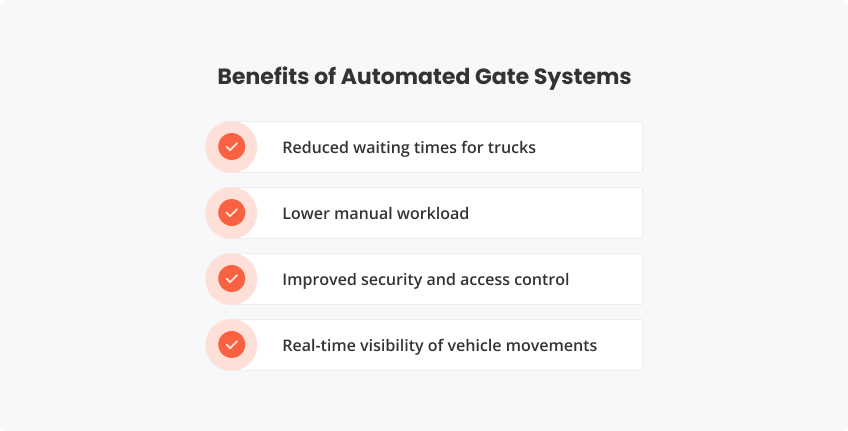
Benefits of Automated Gate Systems
The business case is not limited to speed.
Reduced waiting times for trucks
Shorter waiting times improve carrier relationships. Drivers remember facilities where arrival is clear, respectful, and predictable.
Lower manual workload
Staff no longer spend the shift copying data between paper, spreadsheets, emails, and radios. They solve problems instead.
Improved security and access control
Automated workflows make yard security systems more consistent. The system can stop an unexpected vehicle, flag a mismatch, and keep a digital trail.
Real-time visibility of vehicle movements
Real-time vehicle tracking helps teams understand what is happening now. It also reveals patterns: late carriers, overloaded shifts, long dwell times, or recurring dock conflicts.
Where Automated Gate Systems Deliver the Most Value
The stronger the arrival pressure, the faster the return.
High-volume distribution centers
Retail, grocery, parcel, and e-commerce sites often see waves of inbound and outbound traffic. Yard gate automation helps flatten those waves into controlled flows.
Manufacturing facilities
Manufacturers need materials at the right hour, not just the right day. A missed parts delivery can disrupt production, while a blocked outbound lane can delay finished goods.
Logistics hubs and 3PL providers
For 3PLs, the gate is part of the customer experience. A clean carrier check-in system helps protect service levels across many clients, carriers, and load types.
Common Mistakes When Introducing Gate Automation
Technology cannot repair a broken process by itself.
Automating without fixing processes
Do not digitize confusion. Define appointment rules, escalation paths, staging logic, safety requirements, and override authority first.
A simple sequence helps:
- Map every arrival type.
- Remove steps nobody uses.
- Decide which exceptions need humans.
- Connect gate data to yard decisions.
- Test with real drivers, not only managers.
Ignoring driver experience
Drivers may arrive after a long trip, in bad weather, with limited local language skills. Keep screens short. Use plain words. Make help easy to find.
friendlyway Visitor Management is a useful reference point because it supports customizable visitor journeys, digital records, and secure check-in logic that can be adapted to different facility workflows.
Lack of integration with yard systems
A standalone kiosk can speed up registration. A connected gate management system can reshape the whole arrival process.
That difference matters. The gate should not only collect information. It should move information to the people and systems that need it next.
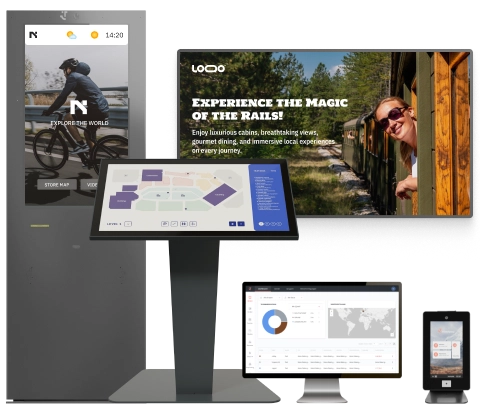
Combine self-service, digital signage, access workflows, and real-time instructions for a clearer yard entrance.
Automated gate systems are not about making the entrance colder or more mechanical. Done well, they make it calmer, safer, and easier to understand.
Drivers get clear instructions. Gate teams gain control. Yard teams see what is coming. And the facility stops treating the gate as a narrow doorway and starts using it as the first intelligent step in the logistics process.
FAQ
It is a digital system that manages vehicle arrivals, driver check-in, identity validation, access approval, and entry records at a logistics facility.
They replace repetitive manual steps with QR check-in, kiosk workflows, ANPR, pre-registration, and automatic rule checks. Approved trucks move faster, while exceptions are handled separately.
Common technologies include license plate recognition, self-service check-in kiosks, access barriers, QR codes, digital forms, driver instructions, and integrations with yard or warehouse platforms.
Yes. Integration with YMS, WMS, TMS, dock scheduling, and access control systems is often the main driver of value.
Yes. Smaller facilities can start with digital check-in, appointment validation, and basic access control before adding ANPR, advanced routing, or deeper system integration.