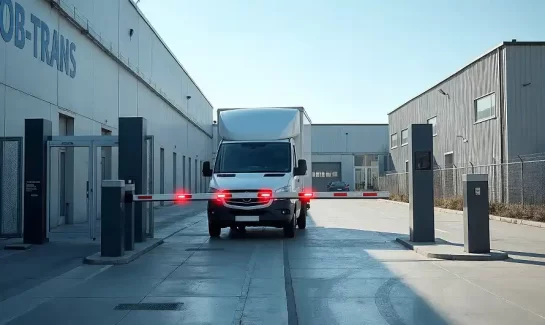


A warehouse can look perfectly organized on the inside and still bleed time, money, and patience. One trailer is parked in the wrong place. Two trucks arrive at once. A driver waits at the gate for instructions that never come. Suddenly, the day is off balance.
That is why this yard management guide matters in 2026. Smart companies are paying closer attention to warehouse yard management because the yard is no longer just a buffer. It is where speed is protected or lost.
Key Facts at a Glance
- Better yard control reduces waiting, congestion, and costly detention and demurrage.
- A modern yard management system improves yard visibility, gate flow, and coordination between carriers, yard teams, and warehouse staff.
- The fastest gains often come from basic yard optimization: digital arrivals, tighter dock planning, and clear KPI tracking.
Why Warehouse Yard Optimization Matters in 2026
The yard used to be treated like a holding zone. Not anymore. Today, it is an active part of the operation, and companies that want to optimize warehouse yard performance are treating it with the same discipline they bring to inventory or transport planning.
Rising transportation costs and carrier expectations
Transport costs are too high for wasted time to be shrugged off. Carriers want fast turns, accurate directions, and less waiting at the gate. When a site causes repeated delays, service levels suffer, and relationships cool quickly.
Labor shortages and operational pressure
Most sites are being asked to move more freight with fewer hands. That makes manual updates, phone calls, and spreadsheet juggling harder to justify. Strong yard operations management helps lean teams stay in control without adding noise.
Increased demand for real-time visibility
A yard without live status is a yard full of questions. Where is the trailer? Has the truck arrived? Which door opens next? Better yard visibility reduces those questions and speeds up decisions.
Sustainability and emission reduction goals
Long queues, idle engines, and unnecessary trailer moves increase costs and emissions. Cleaner flow is not only efficient. It also supports more responsible logistics operations.
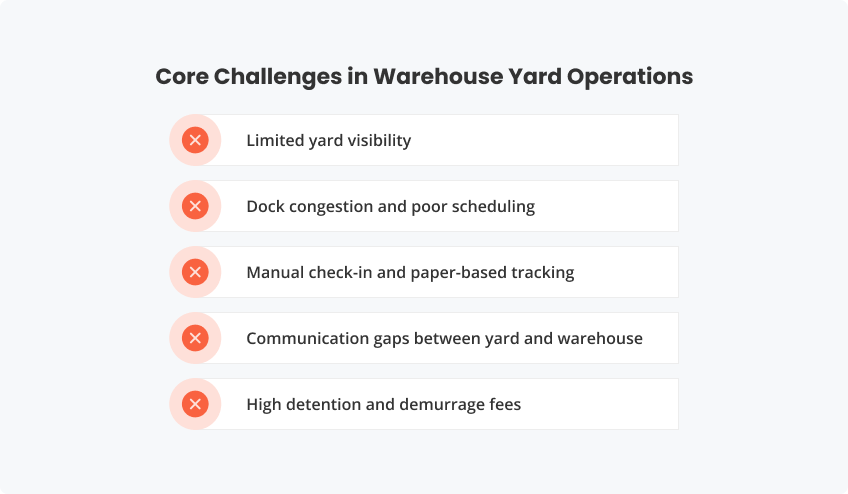
Core Challenges in Warehouse Yard Operations
Most yards are not failing because people do not care. They are failing because too much depends on memory, workarounds, and timing that slips.
Limited yard visibility
When no one has a clear picture of trailer status or location, the yard becomes reactive. People spend time hunting for assets instead of moving them.
Dock congestion and poor scheduling
A weak arrival plan creates pressure everywhere else. If too many trucks land in the same window, the dock gets crowded, the yard gets blocked, and priorities become messy.
Manual check-in and paper-based tracking
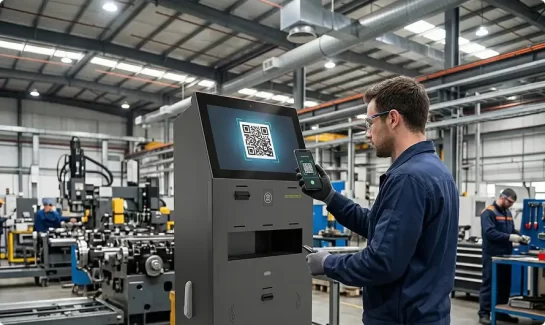
Manual arrival processes slow the first touchpoint. A digital gate check-in system can shorten entry times, improve compliance, and reduce the burden on gate staff.
Communication gaps between the yard and the warehouse
The yard team may know a trailer is ready while the warehouse still thinks it is missing. Those communication gaps create friction that good systems should remove.
High detention and demurrage fees
Waiting charges are rarely caused by one dramatic mistake. More often, they grow from small delays that accumulate throughout the day. That is how detention and demurrage turn into recurring costs rather than a rare exception.
What Is a Yard Management System (YMS)?
A strong yard needs more than radios and instincts. It needs structure.
Definition and core purpose
A yard management system is software built to coordinate arrivals, trailer locations, yard moves, dock assignments, and departures from one operational layer.
How YMS differs from WMS and TMS
A WMS runs processes inside the warehouse. A TMS manages freight across the network. A YMS sits in the middle and governs the handoff between transport and warehousing.
Cloud-based vs on-premises YMS
Cloud tools are easier to scale and update across sites. On-premises systems can still make sense where internal IT rules are stricter or legacy infrastructure is deeply embedded.
Integration within the logistics tech stack
The best YMS software does not work alone. It integrates with ERP, WMS, TMS, access control, alerts, and scheduling tools, so that a single event can trigger actions across the site.
Key Features of Modern Yard Management Systems
The right feature set should reduce friction, not add another layer of admin.
Real-time yard visibility dashboard
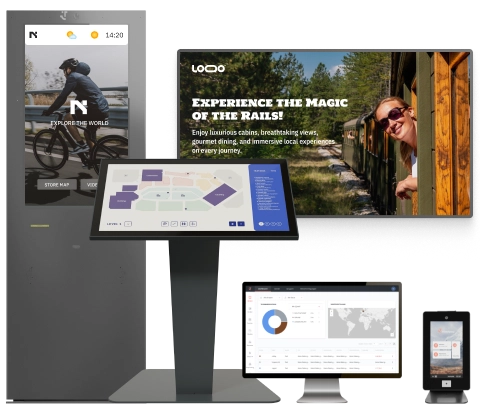
A live dashboard gives teams the information they need at a glance: what has arrived, what is waiting, what is late, and what can move next.
Carrier appointment scheduling
Carrier appointment scheduling helps smooth inbound traffic before the trucks even reach the site. That one discipline can prevent a surprising amount of chaos.
Gate check-in and self-service kiosks
Self-service arrivals are faster, more consistent, and easier to audit. They also make the site feel more organized from the moment a driver pulls up.
Dock door assignment and optimization
Good dock door management matches urgency, load type, and capacity with far less guesswork. It is one of the clearest ways to improve flow between the yard and the warehouse.
Trailer and asset tracking
Real-time trailer tracking gives teams instant control over loaded units, empties, and special equipment without relying on memory or endless radio traffic.
Automated alerts and notifications
When a trailer is ready, delayed, or misplaced, the right people should know immediately. That is where automation saves time and avoids confusion.
Reporting and performance analytics
Useful reports turn daily activity into yard performance metrics that can be reviewed, compared, and improved.
Replace paper-based entry with digital workflows, live notifications, and faster site access.
Step-by-Step Yard Optimization Process
No company fixes the yard by flipping a switch. Progress usually comes from a few practical moves, done well and consistently.
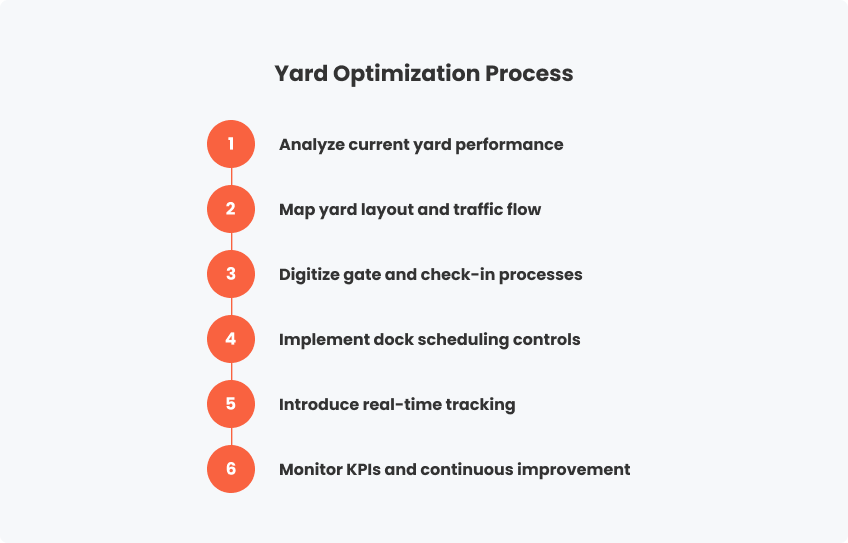
1. Analyze current yard performance
Start with the basics:
- truck turnaround time
- gate processing time
- trailer dwell time
- missed appointments
- waiting costs
That first review creates the baseline for real yard optimization.
2. Map yard layout and traffic flow
Some delays come from poor systems. Others come from poor geometry. Review lanes, staging areas, crossings, choke points, and trailer parking rules before assuming technology alone will solve the problem.
3. Digitize gate and check-in processes
This is often the fastest win. A digital arrival flow removes paper, speeds approvals, and creates a reliable record of who arrived, when, and why.
4. Implement dock scheduling controls
Use dock scheduling software to spread demand, reduce bunching, and protect capacity for urgent loads. Good scheduling does not eliminate pressure, but it makes pressure manageable.
5. Introduce real-time tracking
Live updates give teams better timing and fewer surprises. With stronger status control, yard automation becomes practical instead of theoretical.
6. Monitor KPIs and continuous improvement
A yard should not be reviewed only when something goes wrong. Weekly checks of delays, missed slots, and recurring bottlenecks help improvements stick.
Key Yard Management KPIs to Track
The smartest teams do not drown in data. They track a small set of measures that actually change behavior.
Truck turnaround time
This shows how long a truck spends on site from arrival to departure. Carriers feel this number immediately.
Dock utilization rate
This reveals whether dock capacity is being used well or overloaded.
Detention and demurrage costs
This KPI translates operational inefficiency into a number the finance team understands instantly.
Yard dwell time
Dwell time is the time trailers sit before unloading, loading, or movement begins.
On-time departures
Late departures often expose upstream issues in scheduling, staging, or coordination.
Gate processing time
A slow gate creates a slow day. A fast gate clears the path for everything else.
Benefits of Optimizing Warehouse Yards
When the yard improves, the rest of the site usually feels lighter.
Reduced congestion and faster throughput
Fewer queues mean fewer delays, fewer interruptions, and less daily friction.
Lower operational costs
Savings come from many places at once: less idle time, fewer unnecessary moves, lower waiting charges, and better use of labor.
Improved carrier relationships
Carriers notice which sites are easy to work with. Faster turns and clearer processes make them more willing to return.
Increased yard safety and security
Structured access, guided movement, and clear approvals support safer daily operations, especially in high-traffic environments.
Better data for strategic decisions
Reliable yard data helps leaders plan labor, adjust layouts, and make smarter decisions about capacity and service.

Who Needs Advanced Yard Management?
Not just giant sites. Not just complex campuses. Plenty of businesses hit the point where informal control stops working.
Large distribution centers
High trailer volume makes even small mistakes expensive.
Manufacturing plants
Production depends on a stable inbound flow and predictable outbound movement.
Retail and e-commerce warehouses
Peak demand exposes weak processes quickly and sometimes painfully.
3PL and logistics providers
For service providers, consistent handoffs are part of the customer promise.
Multi-site enterprises
Shared processes and comparable data matter even more when several yards must perform to the same standard.
How to Choose the Right Yard Management Solution
The best system is not the one with the longest feature list. It is the one that fits how the site actually works.
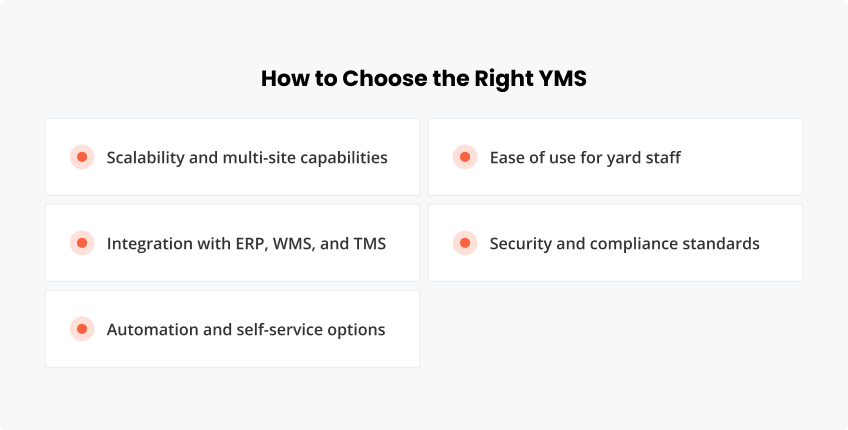
Scalability and multi-site capabilities
Choose a solution that works now and still makes sense later if volume or site count grows.
Integration with ERP, WMS, and TMS
Strong integration keeps data moving and prevents teams from re-entering the same information three times.
Automation and self-service options
Look for practical automation, not gimmicks. friendlyway integrations can help connect self-service, notifications, access control, and enterprise workflows.
Ease of use for yard staff
If the team avoids the system, it will never deliver full value. Simple matters.
Security and compliance standards
Audit trails, role-based access, and consistent approvals are essential in busy or regulated environments.
Implementation Best Practices for 2026
A good rollout is focused, realistic, and tied to actual pain points.
Operational audit and needs assessment
Start by documenting where time is being lost and where communication breaks down.
Pilot rollout strategy
Begin with one gate, one site, or one process. Early proof is more persuasive than a long slide deck.
Staff training and change management
Train people around real workflows. Show them how the new process removes friction, not just how the screens look.
Continuous optimization and KPI monitoring
The first launch is only the beginning. Review results often and refine steadily.
The Future of Yard Management
The next chapter will be more connected, more predictive, and less manual.
AI-driven yard optimization
AI can help prioritize moves, recommend spacing between appointments, and support faster decisions during busy periods.
IoT, RFID, and smart yard technologies
Connected devices can improve location accuracy and reduce manual updates across larger sites.
Autonomous yard movements
Some large operations will automate repetitive trailer moves where routes are controlled and predictable.
Sustainable and green yard operations
Smarter sequencing, fewer idle minutes, and better site communication all support warehouse logistics optimization with a lower operational footprint.
Connect check-in, alerts, access, and communication in one cleaner workflow.
The goal is not to create a perfect yard. It is to create a visible, manageable, responsive one. When teams can see what is happening, act quickly, and trust the process, the yard no longer becomes a source of daily disruption. It becomes an advantage.
FAQ
Dock scheduling focuses on booking time slots and door capacity. Yard management encompasses arrivals, trailer locations, movement rules, check-in, and departures.
A YMS improves timing, coordination, and visibility, which means trucks spend less time waiting and trailers reach the right door sooner.
Yes. Smaller operations can still benefit from better visibility, faster arrivals, and more consistent scheduling, even if they do not need every advanced feature.
That depends on the scope. A focused rollout centered on arrivals and dock flow is much faster than a large multi-site deployment with deeper integrations.
The most useful KPIs usually include truck turnaround time, gate processing time, dwell time, on-time departures, waiting costs, and other yard performance metrics that clearly show whether the process is improving.