
(Prefer videos? Watch a brief summary of this article below.)
A plant can lose control long before anything dramatic happens. It starts with a side door propped open for a contractor, a paper log nobody can read, or a shift change that turns the gate into a bottleneck.
In industrial environments, plant access control is not just a security measure. It is an operational discipline. Done well, it protects people, processes, and assets without slowing the day down.
At a Glance
- Strong plant access control should increase speed, not create friction.
- The best systems separate workflows for employees, visitors, contractors, and drivers.
- Real-time permissions matter more than static badges.
- Touchless check-in, badge printing, and pre-registration reduce queues.
- Integration with schedules, access control, and evacuation processes improves compliance and safety.
- Smart factory entry management gives teams a live view of who is on site and where risk is building.
Challenges of Balancing Security and Speed
Industrial sites move fast. Access processes have to keep up with that pace without letting standards slip.
A plant floor is not a lobby. One wrong turn can expose sensitive equipment, controlled areas, or safety hazards. At a packaging plant, for example, a visitor who skips induction does not just break policy. They may walk into a forklift route or a restricted production zone.
That is why industrial access security must do more than open gates. It must verify identity, purpose, timing, and zone permissions before a person moves deeper into the site.
Operational disruptions caused by outdated access systems
Old systems fail in familiar ways. Reception gets buried at 7:00 a.m. Guards start waving people through to keep the line moving. Temporary badges run out. Supervisors get pulled from production to solve entry issues.
The result is a double loss: weaker security and slower operations. Manual processes often look cheaper on paper, but they create hidden downtime at the gate.
Key compliance and safety requirements
Security teams also work under pressure from EHS, HR, and audit requirements. In the U.S., OSHA emergency action plan requirements state that the plan must be in writing and available for employees to review. OSHA generally requires at least two exit routes to ensure occupants can evacuate promptly. Globally, many organizations use ISO/IEC 27001 as a benchmark for access-related controls within a broader information security management system.
That matters at the gate. A secure facility check-in process is part of compliance, not separate from it.
Principles of Efficient Access Control
The goal is simple: make the right path the easy path.
Role-based access levels and real-time permissions
Not everyone needs the same access. A maintenance contractor may need entry to one production cell for eight hours. A supplier may need only the yard and receiving area. A plant manager may need broad access across shifts.
Role-based permissions reduce overexposure. Real-time access monitoring makes it easier to change those permissions when schedules, incidents, or approvals change.
Streamlined workflows for employees, visitors, and contractors
One generic workflow rarely works in manufacturing. Employees need fast employee access. Visitors need controlled escorts. Contractors need onboarding, documents, and site-specific rules. That is why modern systems rely on separate journeys with shared governance.
A digital visitor management solution can support configurable workflows, pre-registration, badge or RFID issuance, real-time tracking, and paperless document signing at on-site kiosks.
Integration with shift schedules and time tracking
The busiest access window is often the riskiest. Shift changes compress volume into minutes. If the access layer knows who is scheduled, who is late, and who should not be there, entry decisions become faster and cleaner.
This is where access control for manufacturing starts to feel less like a gate system and more like an operating system for site entry.
Connect visitor check-in, badging, and plant-specific workflows into a single manufacturing-ready process.
Technologies Enabling Fast and Secure Entry
Good technology removes waiting time from the routine and reserves human attention for exceptions.
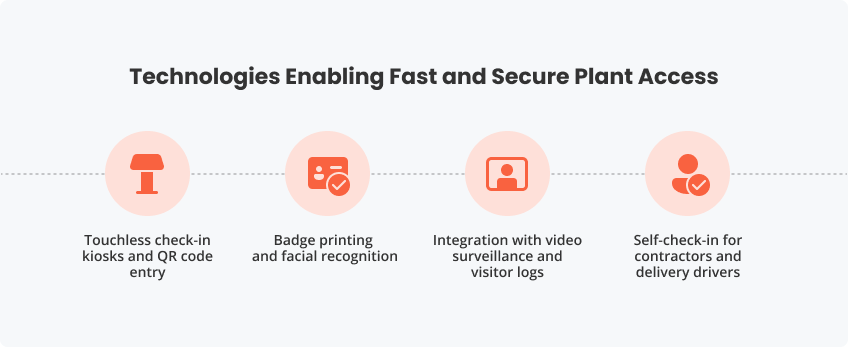
Touchless check-in kiosks and QR code entry
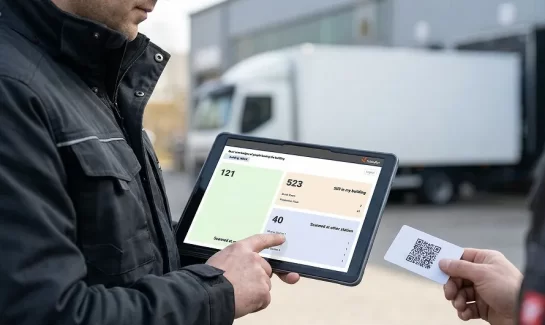
Touchless check-in at gates works especially well for repeatable arrivals. A pre-registered visitor receives a QR code, scans it, completes the required steps, and moves on. No clipboard. No back-and-forth at the desk.
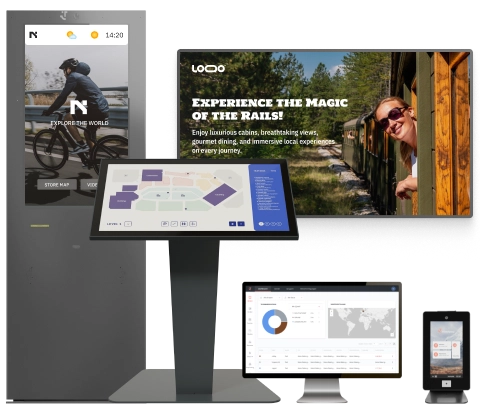
friendlyway’s platform supports QR or PIN-based check-in, while its kiosk options include devices with QR scanners, cameras, and other self-service peripherals.
Badge printing and facial recognition
Printed badges still matter. They show status at a glance, and help teams quickly spot exceptions. Color rules, expiration windows, and zone labels make access badges and permissions visible in the real world.
Some plants also evaluate facial recognition for specific use cases. It can speed re-entry. It also requires a careful review of legal, privacy, and labor relations.
Integration with video surveillance and visitor logs
A badge alone is not enough. Strong plant security and compliance depend on connected records: who arrived, when they entered, what they acknowledged, and where they were authorized to go.
friendlyway also supports integration with access control systems such as Bosch, Interflex, TBS, and FAAC, plus an API layer for custom setups.
Self-check-in for contractors and delivery drivers
This is where many plants win back time. Drivers and contractors are frequent, necessary, and often underserved by office-style reception processes. Self-check-in lets them confirm identity, receive instructions, print credentials, and move to the correct waiting or unloading point.
At a busy warehouse gate, that can mean fewer radio calls, fewer wrong turns, and less congestion before the dock opens.
Access Management Strategies for Different User Types
The smartest contractor access system treats each user group according to risk and frequency.
Regular employees – fast badge revalidation
Employees should not queue for routine access. Revalidation can happen in the background, tied to shift eligibility, training status, or time windows. The front-end experience stays fast. The rules behind it stay strict.
Temporary workers and contractors – secure but quick onboarding
This group needs more structure. A temporary worker may need agency validation, safety acknowledgments, restricted access windows, and time capture. A contractor may need proof of insurance, work permits, and approval from a supervisor.
friendlyway’s broader workforce tools support multi-vendor staffing scenarios, shift-related workflows, and contractor access automation across agencies and sites.
Visitors – pre-registration and access limits
Visitors should arrive as expected, not as an improvised event. Pre-registration helps hosts define the purpose, duration, and access scope of the visit before the person reaches the gate.
That creates streamlined access for factories while keeping office visitors, auditors, and customer tours inside the right boundaries.
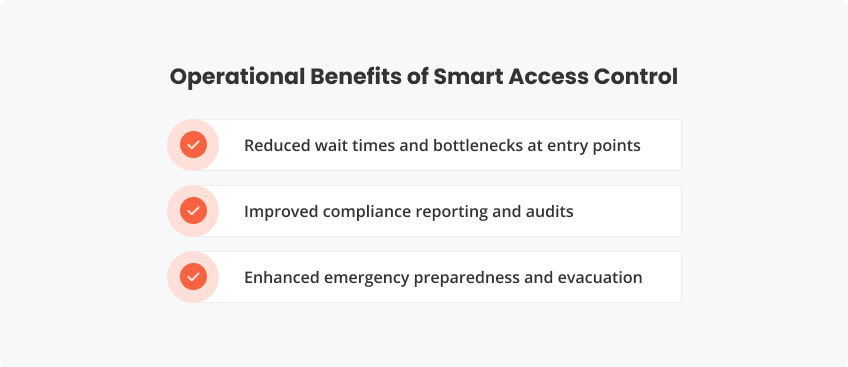
Operational Benefits of Smart Access Control
This is where secure plant entry becomes a business advantage.
Reduced wait times and bottlenecks at entry points
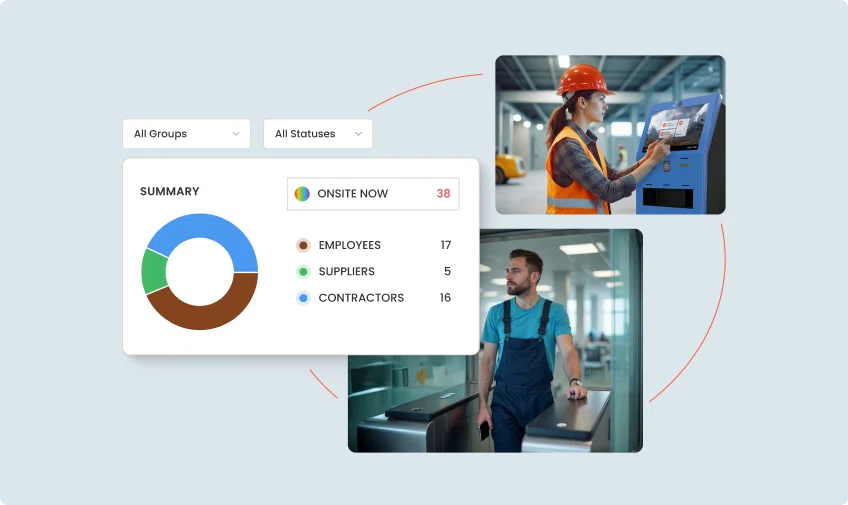
The first benefit is visible. Queues shrink. Starts of shifts become smoother. Security and reception stop acting as manual data-entry teams.
A plant with 200 arrivals in a short morning window does not need more paper. It needs entry point optimization.
Improved compliance reporting and audits
The second benefit appears later, when someone asks for records. Digital logs are faster to search than binders and inboxes. Signed acknowledgments, badge history, and visit data become easier to produce.
That is the difference between “we think he signed it” and “here is the timestamp.”
Enhanced emergency preparedness and evacuation
In an incident, knowing who is on site is not optional. OSHA notes that workplaces generally require at least two exit routes and that emergency plans must include reporting procedures. A modern access layer supports this by providing a live roster.
friendlyway’s emergency mustering solution is designed to track employees, contractors, and visitors in real time and sync with access control data across shifts and zones.
Implementation Best Practices
The right rollout is disciplined, not flashy.
Assess current risks and process flows
Start by mapping reality. Where do queues form? Which entrances rely on manual exceptions? Which user types create the most confusion? A plant access control project should begin with flow, not hardware.
Choose modular and scalable systems
Plants change. New lines open. Contractors surge during shutdowns. Policies tighten after incidents. Choose systems that scale across sites and let you add workflows over time.
friendlyway’s manufacturing-focused solutions combine software, self-service hardware, and integrations for secure access and emergency visibility.
Staff training and user onboarding
Even the best system fails if people work around it. Train reception, security, supervisors, and hosts. Keep instructions simple. Use screens and kiosks to guide behavior at the point of decision.
Monitor KPIs like throughput and access violations
Track a short list of metrics:
- Average check-in time by user type
- Peak-time throughput at each entrance
- Percentage of pre-registered arrivals
- Manual override frequency
- Access violations by zone
- Time needed to produce audit records
See how friendlyway helps plants combine self-service entry, compliance workflows, and emergency accountability.
Plant access control should not feel like a brake pedal. It should feel like a well-marked lane: fast for authorized people, closed to the wrong ones, and fully visible to the teams responsible for security and operations. When the process is designed around real plant traffic, secure entry stops being a daily hassle and starts becoming a quiet source of control.
FAQ
Yes. In most plants, the best approach is integration, not replacement. Modern platforms can connect with onsite visitor management, HR, visitor logs, badge printers, scanners, and other site systems.
You usually still need people for exceptions, escalation, and incident response. But routine entry can be automated. Self-service kiosks, pre-registration, digital approvals, and role-based permissions reduce dependence on staffed checkpoints while maintaining consistent controls.
ROI comes from several places at once: fewer delays at shift start, less administrative work, stronger audit readiness, and better risk control. The savings are often indirect but real. Plants feel that they recover time, make fewer mistakes, and have cleaner reporting.
They work best when tied to schedules and pre-approved lists. That allows the system to recognize expected arrivals, enforce the right rules, and keep the line moving. Peak periods become manageable because routine decisions are automated.
That should be planned before go-live. Strong setups use fallback procedures, cached permissions, offline-capable devices where needed, and clear manual escalation steps. The goal is continuity without opening the door to uncontrolled access.